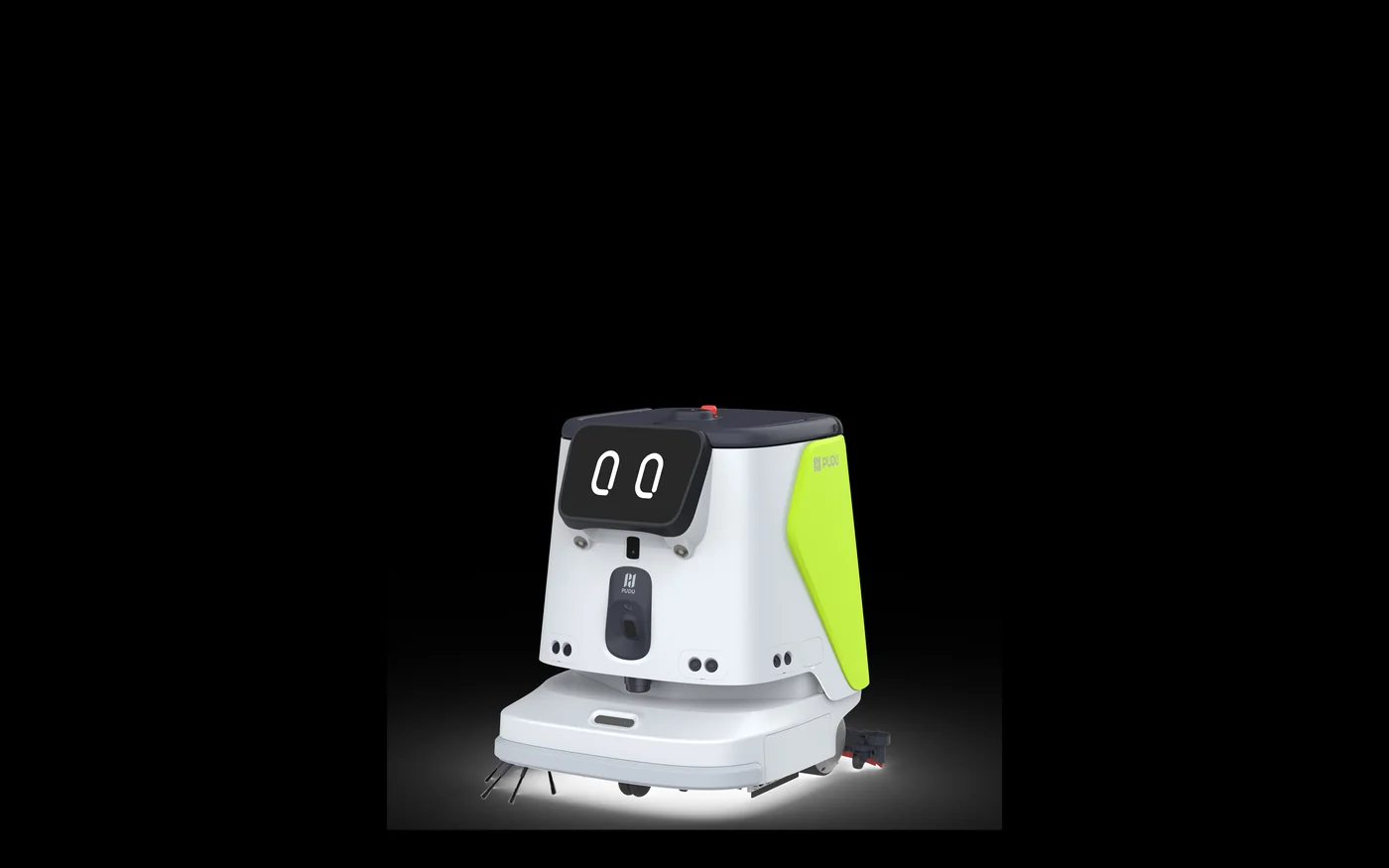
In a healthcare setting, a hospital cleaning robot has to satisfy two demands that pull against each other. Floors must be consistently clean, to a standard you can evidence at audit. And the environment must stay calm for patients trying to recover. A well chosen cleaning robot helps with both at once, and the PUDU CC1 Pro is the unit we deploy most often into hospitals and clinics.
Why consistency matters more in healthcare than anywhere else
In most facilities, an inconsistent clean shows up in customer reviews. In a hospital, it shows up in infection control reports. Environmental services teams have always carried that pressure, and the labor shortage has made it worse, because consistency under stretched headcount is genuinely difficult. A machine that scrubs a corridor with the same pressure, the same chemical ratio and the same routine at four in the morning as at four in the afternoon removes one of the largest sources of variation from the cleaning program. That is not a marketing claim. It is what a programmed machine does by default.
The CC1 Pro also produces a digital log of where it cleaned and for how long. That record is useful evidence during an internal audit, an accreditation visit, or any conversation that needs to show, not just assert, that the floor was attended to.
Quiet operation, by design
Noise is its own clinical concern. Sleep is part of recovery, and the constant clatter of manual cleaning is part of why patient experience scores often dip on the longest stays. The CC1 Pro runs at under 70 dB(A), and in its quieter modes it works near rooms during resting hours without disturbing patients. The result is floors that are clean every morning and patients who were not woken to achieve it. Where staff once had to choose between cleaning standard and patient calm, they no longer have to.
Where a hospital cleaning robot fits, and where it does not
A cleaning robot is well suited to corridors, lobbies, waiting areas and patient wards. Specialized areas such as operating rooms and isolation rooms still call for manual terminal cleaning by trained staff. Being clear about that boundary up front is part of deploying it responsibly.
Navigating a busy ward, not an empty one
A ward is full of moving obstacles, wheelchairs, IV stands, equipment carts, people. The CC1 Pro's combination of LiDAR and visual fusion VSLAM is designed to detect both thin objects and moving ones and hold a safe clearance around them. That is what allows it to work in a live corridor rather than a closed one, and what makes the cleaning program practical rather than disruptive.
A short note on safety, because it matters. The CC1 Pro carries a physical emergency stop, which any staff member can press to halt the machine instantly. The combination of sensor based slowing around people and a hard stop button is usually what turns initial hesitation from clinical staff into confidence. Our safety guide covers the detail.
Cleaning verification, the audit ready log
The data the machine produces is increasingly the part that environmental services directors care about most. Coverage maps showing where the robot ran, time stamps for each cycle, and exception logs for any aborted runs all support the kind of evidence based reporting that infection control and accreditation increasingly require. The shift is from "we cleaned that corridor" to "we cleaned that corridor at 02:47 with these coverage results," which is a very different conversation in an audit.
Where to start
Most hospitals start with a single CC1 Pro on a non clinical corridor, often a main lobby, an outpatient waiting area or a connecting hallway between blocks. These spaces are high traffic, high impact on perception, and lower risk to learn on. From there, the deployment extends to wards once the team is confident with the machine. The four step roadmap in our deployment guide maps cleanly onto a healthcare rollout.
Frequently asked questions
Can a hospital cleaning robot navigate around wheelchairs and IV poles?
Yes. The CC1 Pro's sensing is designed to detect thin and moving obstacles and keep a safe clearance, which is what allows it to work in a live ward rather than a closed one.
Can it clean operating rooms?
We recommend it for corridors, lobbies, waiting areas and wards. Operating rooms and isolation areas need specialized manual terminal cleaning.
How loud is it near patient rooms?
It runs at under 70 dB(A), which is quiet enough to operate near occupied rooms during resting hours.
Does it produce a cleaning record we can use at audit?
Yes. It logs coverage and time stamps for each cycle, which supports evidence based reporting for internal audits and accreditation visits.
Where should we deploy our first unit?
A non clinical corridor or waiting area, typically. We size and place the first machine during the site audit.